
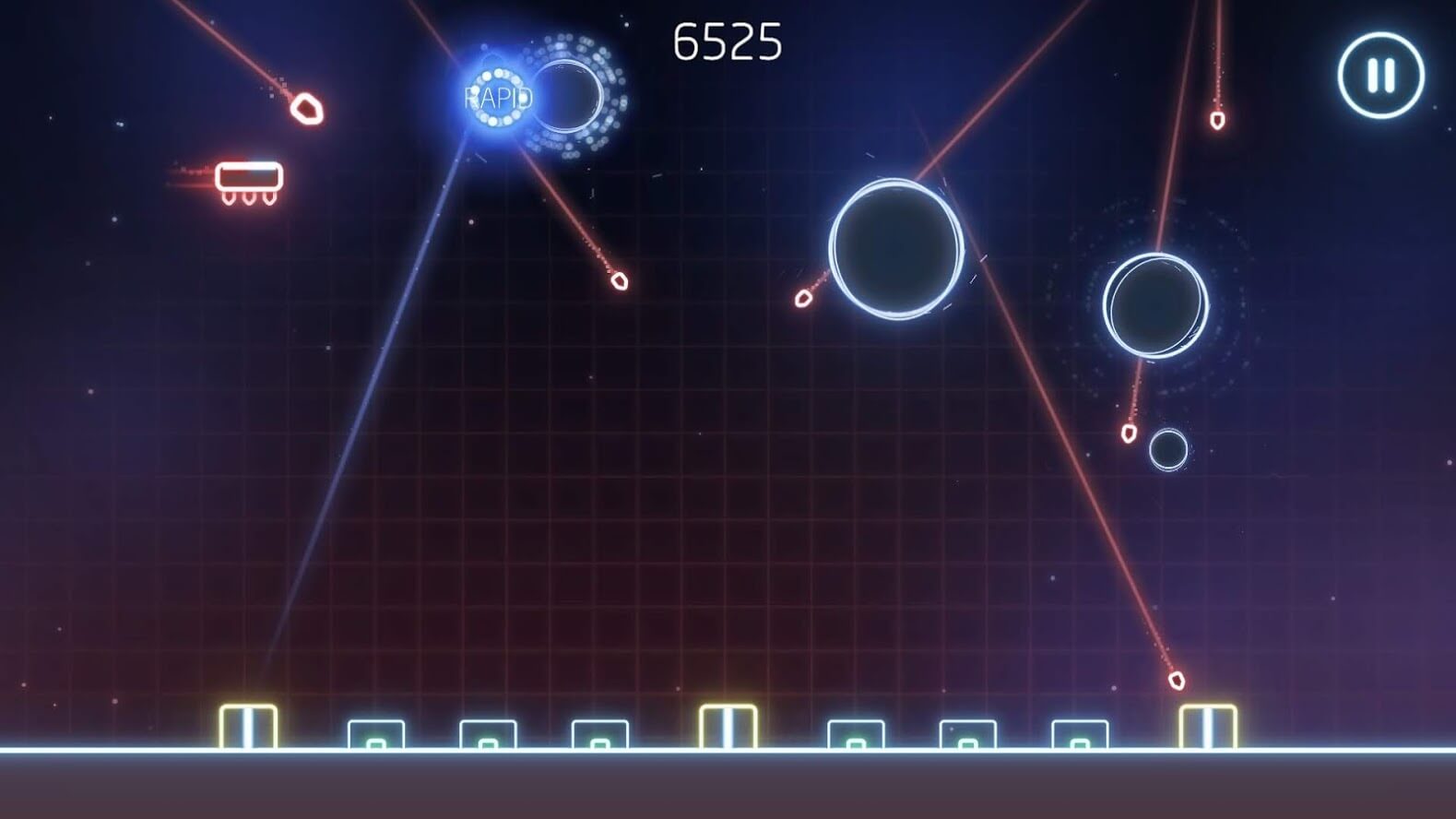
Missile Command: Recharged understands the assignment. It is not trying to reinvent the old arcade formula beyond recognition. Instead, it takes the familiar panic of defending a city under constant bombardment and gives it a cleaner mobile wrapper, brighter presentation, and a progression layer that helps each run feel a little more purposeful.
The foundation is still brutally simple. Bombs fall. You launch counter-shots. Timed explosions intercept incoming threats before they hit your launchers and buildings. That simplicity is exactly why the game works. Within seconds you understand what is happening, and within minutes you are fully locked into the stress of trying to keep too many things from going wrong at once.
Chaos with structure
The best arcade games create order inside panic, and this one gets there quickly. Different projectile speeds, evasive patterns, and surprise attacks from passing ships force you to think ahead instead of merely reacting. At first it feels manageable. Then the screen fills up and you realize the game has quietly pushed you into a high-speed juggling act.
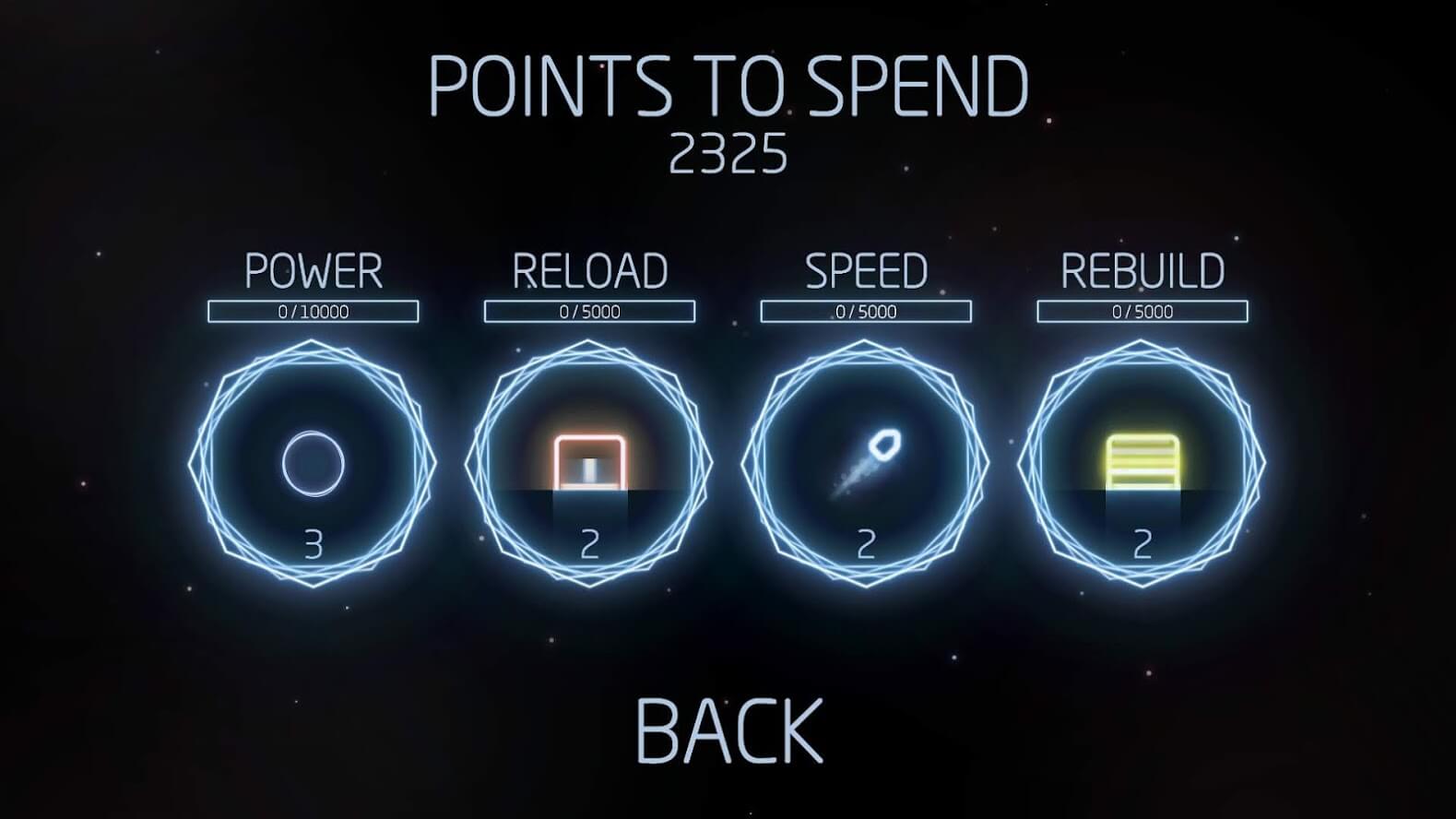
That added upgrade layer is the smartest modernization here. Boosting reload speed or missile power does not erase the need for skill, but it gives repeat attempts a satisfying sense of forward movement. You are still chasing scores, only now you are doing it with a stronger toolkit each time.
Why the mobile version mostly works
Short sessions are part of the appeal. A single run fits neatly into a spare moment, which makes the game feel appropriate for phones in a way many retro revivals do not. It is quick to load, easy to understand, and happy to throw you right back into the action after a loss.
Good mobile arcade games are not just smaller. They are faster to re-enter, clearer to read, and more forgiving about how long you can stay focused.
The obvious friction
The main downside is also the most predictable one: fingers are less precise than arcade controls. When the pace becomes hectic, visibility and aiming suffer. You can compensate with experience, but the problem never completely disappears. That does not ruin the game, though it does place a ceiling on how elegant the highest-pressure moments can feel.
The extra augmented reality feature is interesting for a minute, but it lands more like a novelty than a meaningful reason to return. The core mode is where the game earns its keep.
Final word
Missile Command: Recharged succeeds because it knows which parts of the original are sacred and which parts can be modernized. The score chase stays intact, the presentation gains a sleek neon identity, and the upgrade system adds just enough bite to keep you pressing play again. It is not a perfect control fit for touch screens, but it is still one of the stronger examples of how to refresh a classic for mobile play.