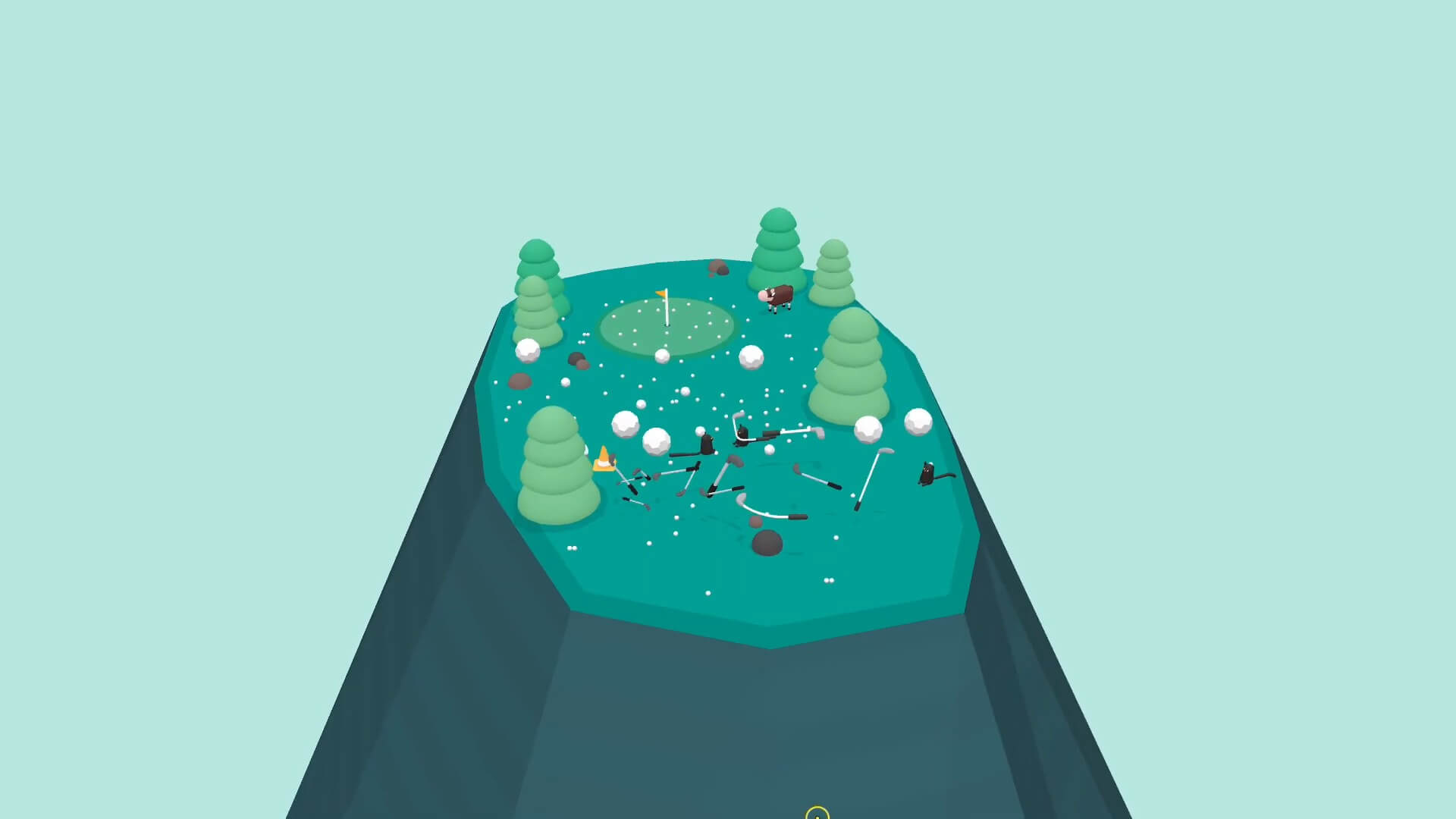
What the Golf? sells itself like a throwaway joke, but it is much more disciplined than that first impression suggests. The premise is simple enough: you line up a shot, pull back, and expect a ball to move. Then the game starts twisting the rules. Sometimes the flag moves. Sometimes the golfer flies. Sometimes the object you launch has almost nothing to do with golf at all. The surprise is the hook, but the consistency of the design is the reason it lasts.
That balance is what makes the game so easy to recommend. It does not rely on random nonsense or one-note absurdity. Instead, it keeps teaching you tiny visual cues, repeating them just enough to feel readable, and then bending them in a new direction. The result is a game that feels playful without turning messy.
The joke lands because the level design is serious
Every strong comedy game needs timing, and here the timing comes from level structure. A stage is usually over in seconds, which means the punchline arrives fast and the reset is painless. You get the laugh, you understand the trick, and the next hole is already asking you to see the rules differently. That rhythm keeps the experience light on its feet.
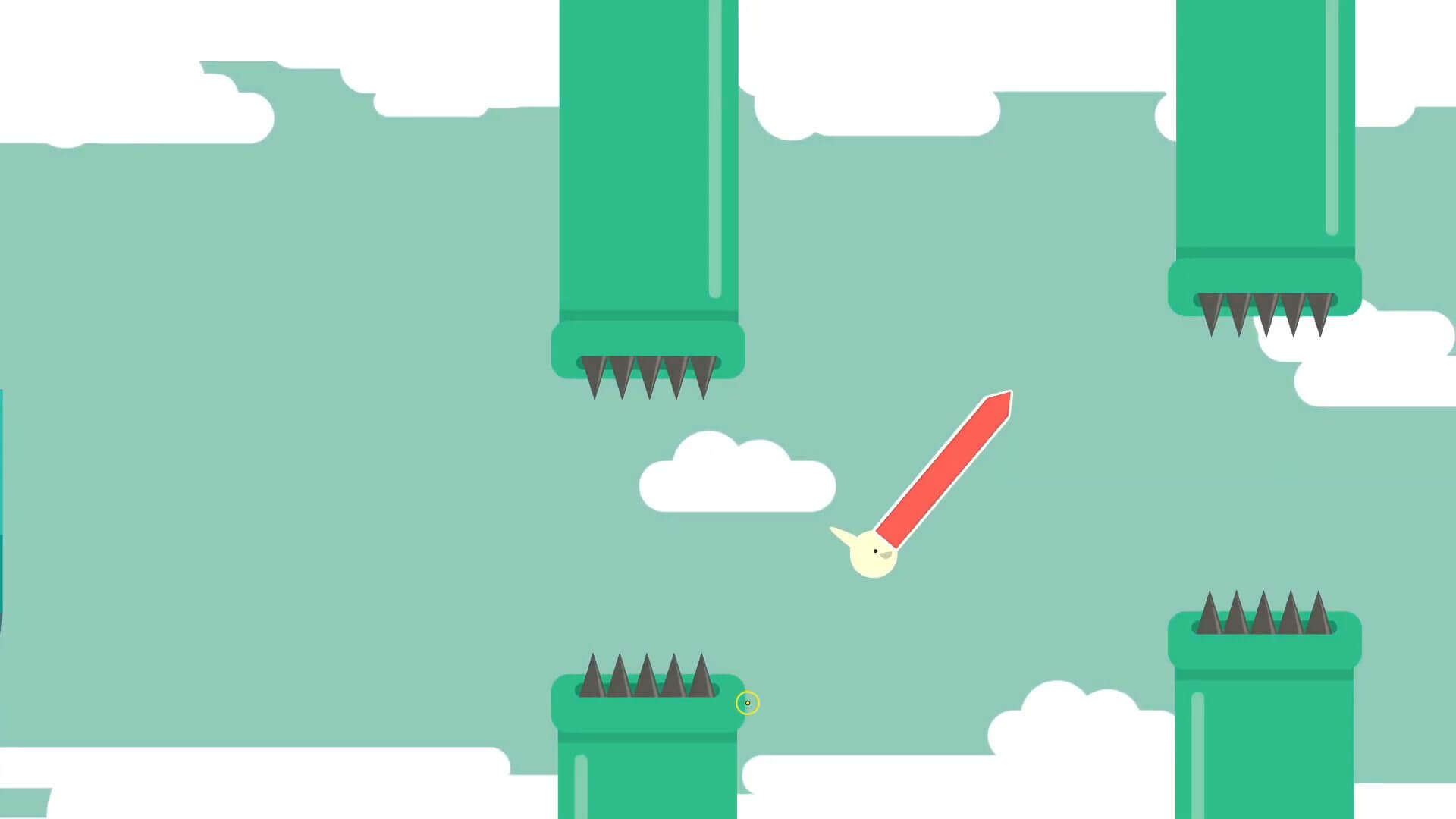
The best moments are the ones that parody other games without feeling lazy. The references are clear, but the levels still work as their own ideas. It feels less like a meme collection and more like a cleverly edited remix album where every track still has a clean shape.
The magic trick is not randomness. It is confidence: the game knows exactly when to teach, when to fake you out, and when to move on.
Short sessions, long staying power
This is also one of those rare mobile-friendly games that understands pace. Nothing overstays its welcome. The controls are straightforward, restarts are instant, and the campaign keeps delivering fresh setups at a rate most puzzle games struggle to match. That makes it ideal for short sessions, but it never feels disposable.
Extra challenges help a lot here. Without them, you could argue that the novelty might cool off once the main idea becomes familiar. With them, the game gains a second layer: now you are not just laughing at the concept, you are mastering it.
Where it almost loses momentum
If there is a weakness, it is that some of the back half depends on your tolerance for repetition within the joke format itself. Not every twist lands with equal force, and a few stages are more amusing than mechanically satisfying. But even the lighter ideas are brief, and the game is smart enough not to dwell on them.
Final word
What the Golf? succeeds because it respects design as much as comedy. Beneath the chaos is a very clean understanding of feedback, rhythm, and player expectation. That foundation lets the weirdest ideas feel polished rather than improvised. Plenty of games are funny for a minute. This one is funny for hours, and it earns that time.